Smart Wizard
Get a complete build plan based on budget and goals.
Build Comparison
Compare complete builds side by side.
Part Comparison
Check specs, price, and value across parts.
Bottleneck Calculator
Measure CPU and GPU balance before you buy.
Power Calculator
Estimate wattage and PSU headroom.
Will It Run?
Test your hardware against popular games.
Theme
BudgetGaming
Best Budget Gaming PC Cases Under $10
This guide focuses on ultra-budget PC cases, specifically those priced under $10. These options are suitable for builders on the absolute tightest budget, where every dollar counts. While they offer a basic enclosure for components, users should expect minimal features, limited cooling potential, and often a lack of modern conveniences. They are best suited for entry-level gaming systems where performance components are prioritized over case aesthetics or advanced functionality.
Featured Picks
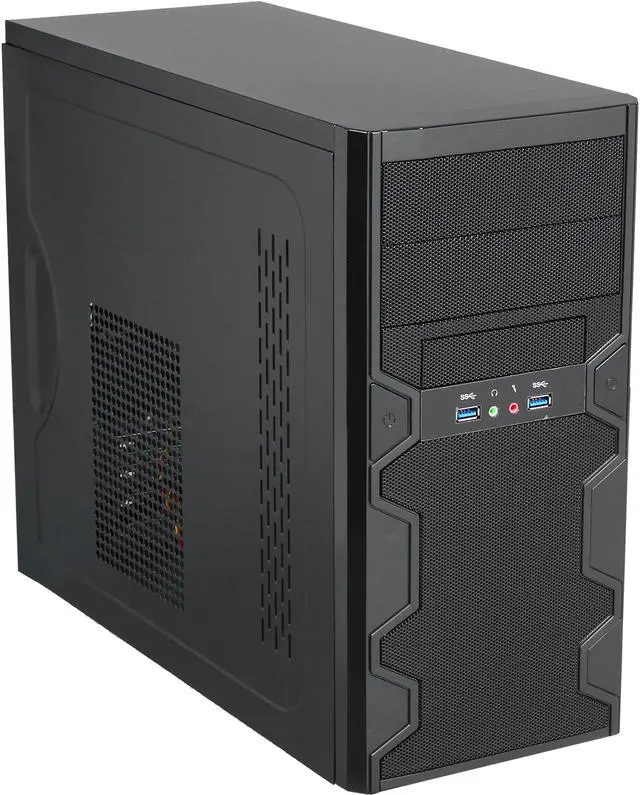

TX-606-U3
This case, priced at $6.74, is the most affordable option available. It serves as a basic enclosure for your components.
Strengths: Extremely low price point, making it accessible for the most constrained budgets. Provides a fundamental structure to house PC hardware.
Caveats: Likely lacks advanced features such as cable management, dust filters, or adequate airflow for high-performance components. Expect very basic build quality and potentially limited compatibility with larger GPUs or CPU coolers.
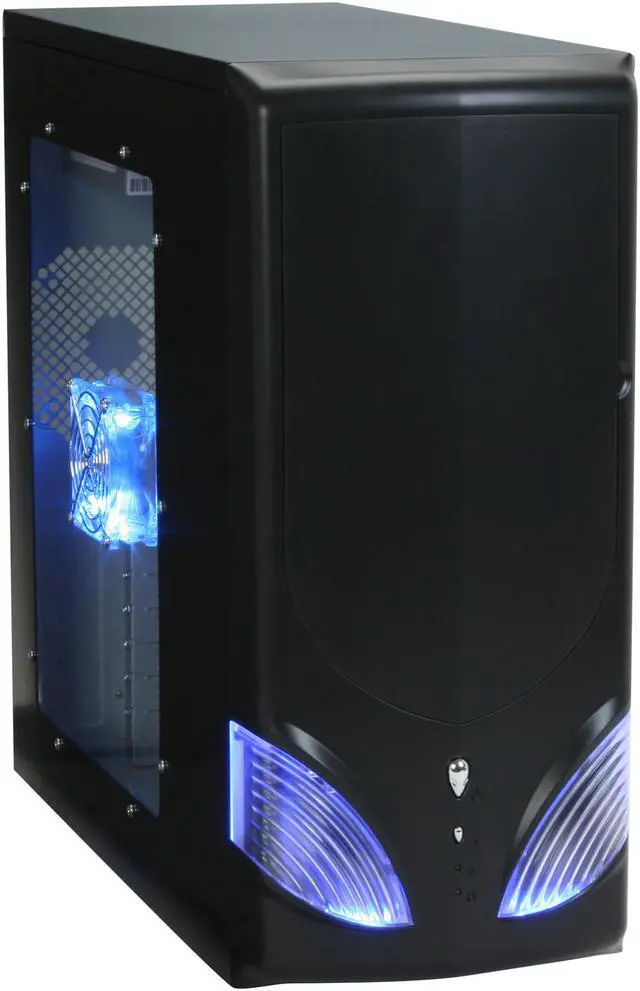
Area 51
At $6.95, the "Area 51" case offers another ultra-budget solution for housing your gaming PC.
Strengths: Very competitive price, ideal for cost-conscious builds. Functions as a standard ATX or Micro-ATX enclosure.
Caveats: Similar to other cases in this price range, it will likely have poor airflow and limited space for upgrades. Aesthetic design and material quality will be rudimentary.
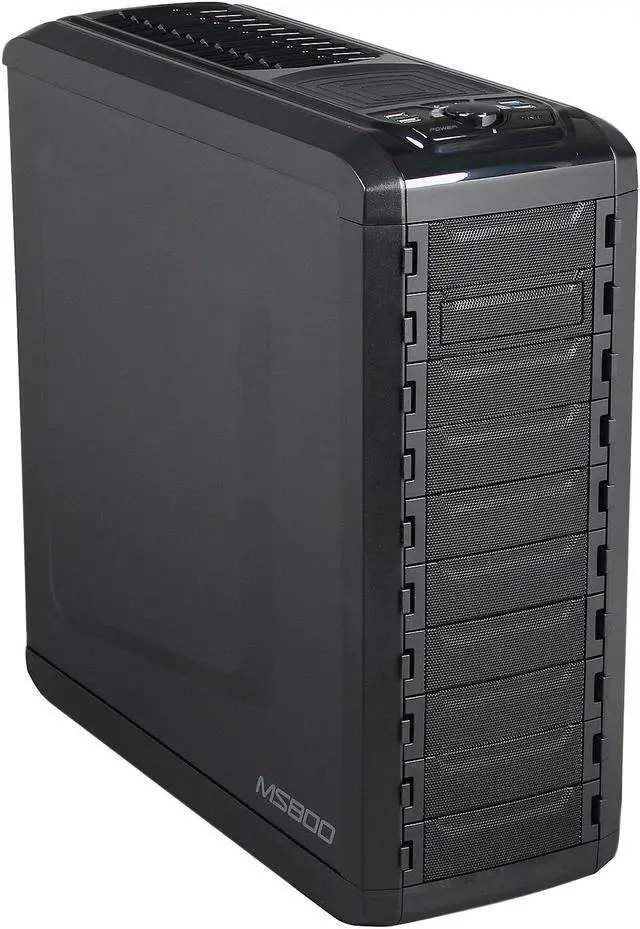
MS800
The MS800, also priced at $6.95, is another contender in the sub-$7 category, offering a no-frills option.
Strengths: One of the cheapest cases on the market, suitable for bare-bones systems. Provides a functional shell for essential PC components.
Caveats: Expect a lack of modern features like USB 3.0 front ports or tempered glass side panels. Internal layout might be cramped, making component installation and cable routing challenging.
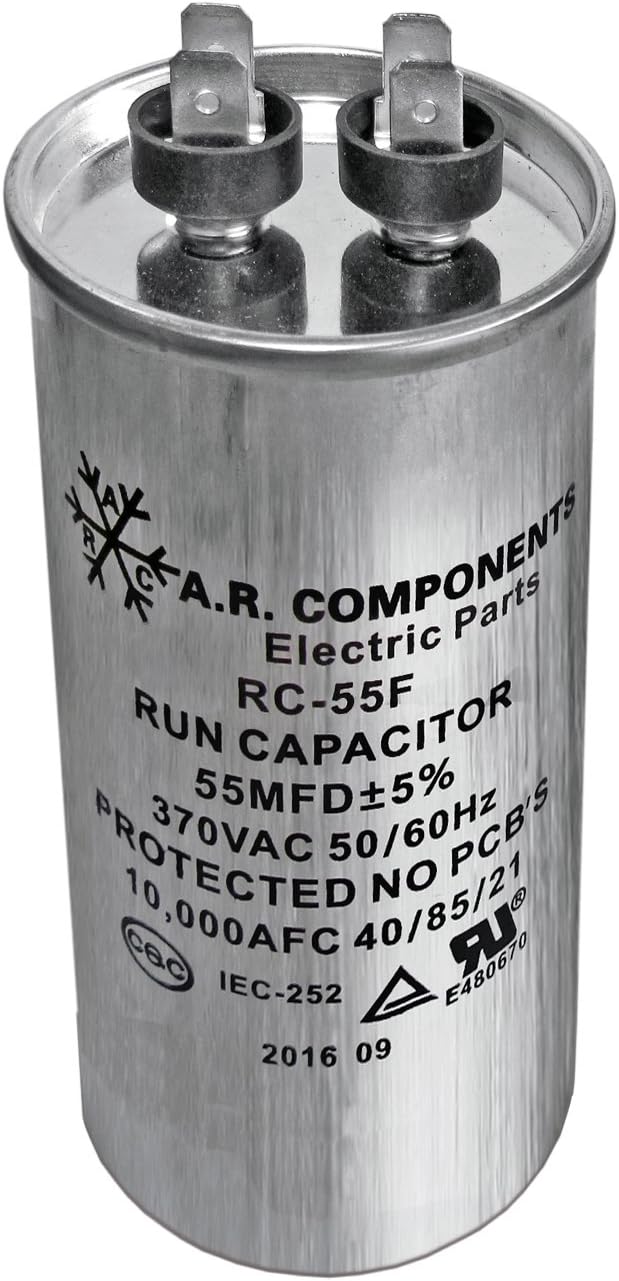
ZEN-WAR
Coming in at $8.00, the ZEN-WAR offers a slightly higher price point within this budget tier.
Strengths: Still an extremely affordable option for a complete PC build. Provides a basic housing for gaming components.
Cooling performance will likely be a major limitation, potentially impacting component longevity.
Last updated May 1, 2026