Smart Wizard
Get a complete build plan based on budget and goals.
Build Comparison
Compare complete builds side by side.
Part Comparison
Check specs, price, and value across parts.
Bottleneck Calculator
Measure CPU and GPU balance before you buy.
Power Calculator
Estimate wattage and PSU headroom.
Will It Run?
Test your hardware against popular games.
Theme
FlagshipGeneral Use
Flagship CPU Buyer's Guide for General Use
This guide focuses on high-end Xeon processors, typically overkill for standard general use but suitable for demanding professional applications like advanced data analysis, large-scale virtualization, or complex scientific simulations. These CPUs offer extreme core counts and memory bandwidth, justifying their significant price tags for users with specific, intensive workloads.
Featured Picks



## Xeon 6788P For users requiring the absolute highest core count and modern memory support, the Xeon 6788P is a top contender. Priced at $25,600.00, it offers an impressive 86 cores and supports DDR5 memory, making it ideal for highly parallelized tasks and future-proofed builds. Its strengths lie in its raw multi-threaded performance and cutting-edge memory interface. However, its high cost and the need for a specific 4710 socket motherboard are significant considerations.
## Xeon 6768P Slightly more expensive at $29,010.00, the Xeon 6768P provides 64 cores and also utilizes DDR5 memory on the 4710 socket. This CPU is well-suited for workloads that benefit from a very high core count but might not fully saturate the 86 cores of its sibling. Its strengths include excellent multi-core performance and modern memory support. The primary caveat is its higher price point compared to the 6788P for fewer cores, which might make it a less optimal choice for pure core-count value.
## Xeon w7-3565X The Xeon w7-3565X, priced at $28,144.99, offers 32 cores with DDR5 memory support on the 4677 socket. This processor is a strong option for professional workstations where high single-core performance is also critical alongside substantial multi-core capabilities. Its strengths include a balance of core count and modern memory. The main caveat is its significantly lower core count compared to the 67xxP series, making it less suitable for extreme parallel processing, despite its similar price.
## Xeon E7-8860 At $27,999.00, the Xeon E7-8860 provides 10 cores and uses older DDR3 memory on the 1567 socket. This CPU is a legacy option, primarily for upgrading existing systems with compatible infrastructure. Its strength is its potential compatibility with older enterprise hardware. However, its low core count and reliance on outdated DDR3 memory severely limit its performance in modern workloads compared to the other options, making it a poor choice for new builds.
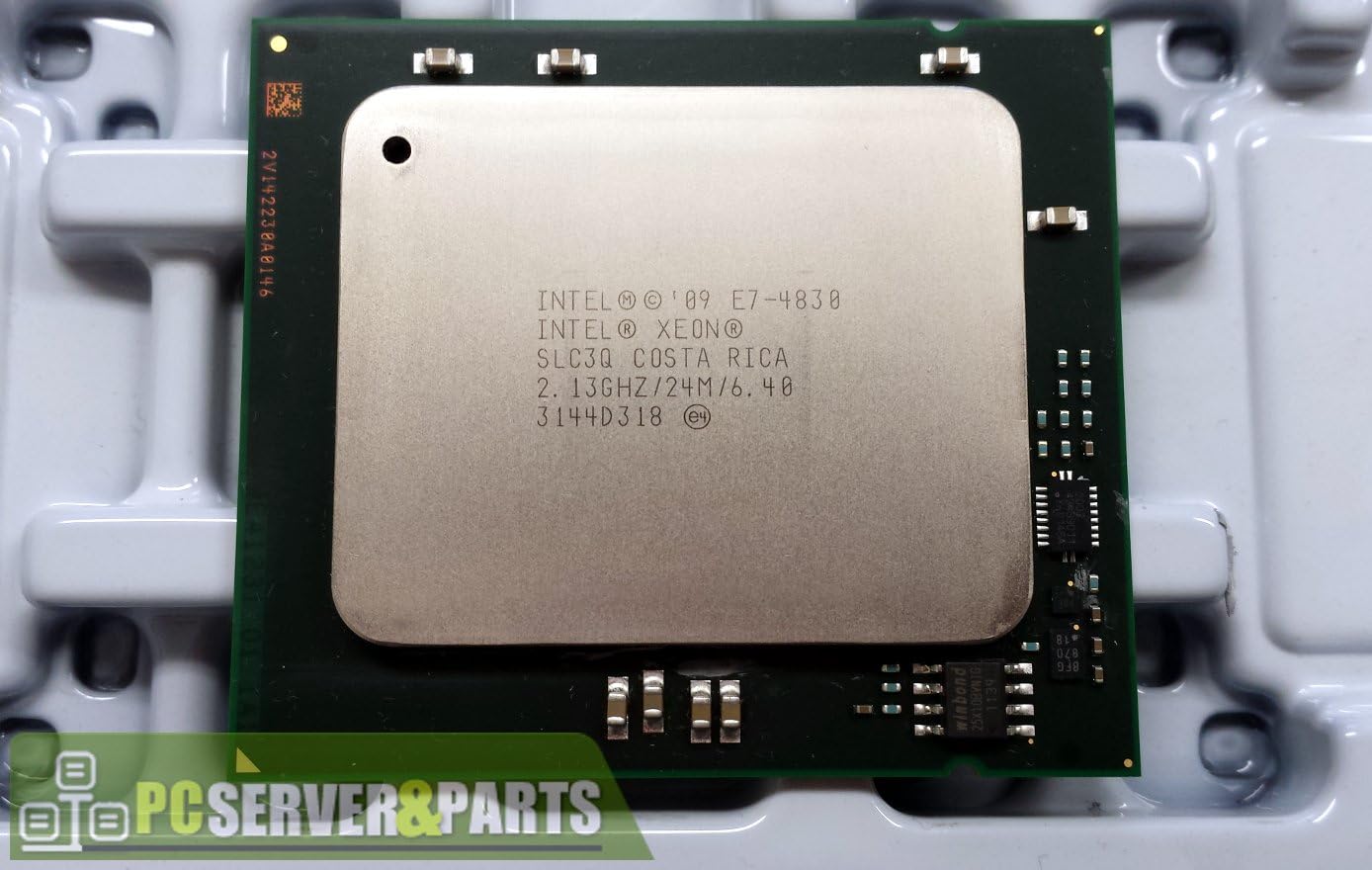
## Xeon E7-4830 The most affordable option in this flagship tier at $18,999.00, the Xeon E7-4830 offers 8 cores and also uses DDR3 memory on the 1567 socket. Similar to the E7-8860, this CPU is primarily for specific legacy system upgrades. Its strength is its relatively lower price within this high-end segment. The significant caveats are its very low core count and outdated DDR3 memory, which will bottleneck performance in any demanding modern application.
When choosing, prioritize the Xeon 6788P or 6768P for new, extreme multi-threaded builds requiring DDR5. The Xeon w7-3565X offers a balance for high-end workstations. The E7 series CPUs are only justifiable for specific legacy system upgrades due to their older architecture and lower core counts.
Last updated May 1, 2026