Smart Wizard
Get a complete build plan based on budget and goals.
Build Comparison
Compare complete builds side by side.
Part Comparison
Check specs, price, and value across parts.
Bottleneck Calculator
Measure CPU and GPU balance before you buy.
Power Calculator
Estimate wattage and PSU headroom.
Will It Run?
Test your hardware against popular games.
Smart Wizard
Get a complete build plan based on budget and goals.
Build Comparison
Compare complete builds side by side.
Part Comparison
Check specs, price, and value across parts.
Bottleneck Calculator
Measure CPU and GPU balance before you buy.
Power Calculator
Estimate wattage and PSU headroom.
Will It Run?
Test your hardware against popular games.
Smart Wizard
Get a complete build plan based on budget and goals.
Build Comparison
Compare complete builds side by side.
Part Comparison
Check specs, price, and value across parts.
Bottleneck Calculator
Measure CPU and GPU balance before you buy.
Power Calculator
Estimate wattage and PSU headroom.
Will It Run?
Test your hardware against popular games.
For those building a workstation on a tight budget, selecting the right motherboard is crucial for balancing cost and performance. This guide focuses on budget-tier options, typically under $50, that can form the foundation of a reliable system for general office tasks, light content creation, or as a secondary machine. These boards often utilize older chipsets and memory standards, but offer a cost-effective entry point for users who prioritize affordability over cutting-edge features.
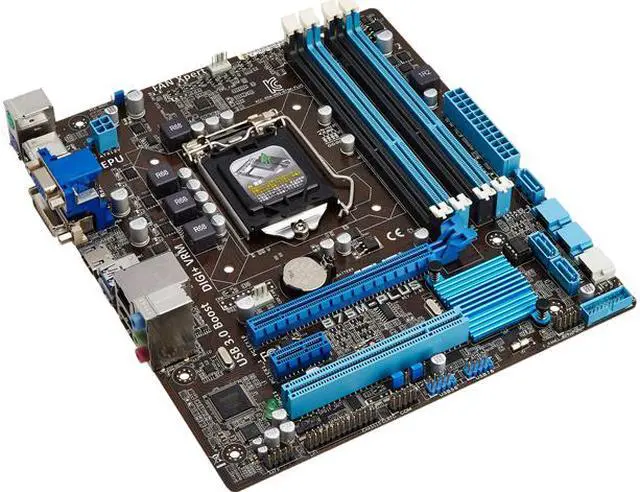
At $34.80, the B75M-Plus is an extremely affordable option for a basic workstation. It's best suited for users who already possess or can acquire older LGA1155 CPUs (like Ivy Bridge or Sandy Bridge i5/i7s) and DDR3 RAM. This board is ideal for general office work, web browsing, and very light productivity tasks where raw computational power isn't the primary concern.
Strengths: Lowest Price: At $34.80, it's the most budget-friendly option, making it suitable for extremely cost-constrained builds. LGA1155 Socket: Compatible with widely available and inexpensive older Intel CPUs, offering good value for legacy components. Micro-ATX Form Factor:* Fits into smaller cases, which can be beneficial for compact workstation setups.
Caveats: DDR3 Memory: Uses older DDR3 RAM, which is slower than DDR4 and might be harder to source new. Outdated Chipset: The B75 chipset is older, lacking modern features and connectivity options.
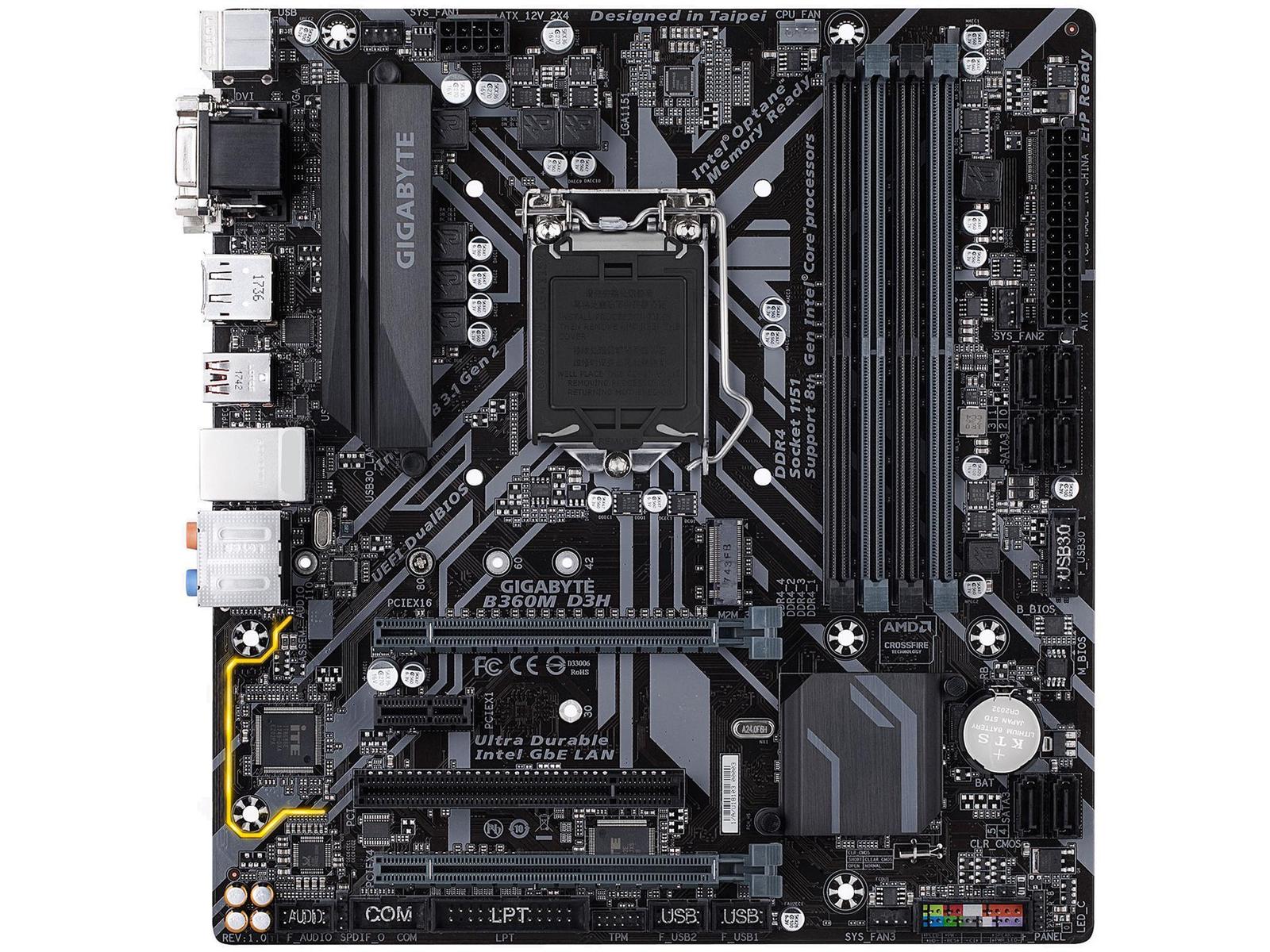
The B360M D3H, priced at $39.99, stands out as the only board in this selection to support DDR4 memory. This makes it a more forward-looking budget option for users building a new system around a compatible LGA1151 CPU (8th/9th Gen Intel Core). It's a solid choice for general office workstations that need modern memory speeds without breaking the bank.
Strengths: DDR4 Memory Support: The only board here to support modern DDR4 RAM, offering better performance and future compatibility. LGA1151 Socket: Supports newer Intel CPUs compared to the LGA1155 and LGA1150 options, providing access to more recent processor generations. Competitive Price:* At $39.99, it offers modern memory support at a very attractive price point.
Caveats: B360 Chipset:* While newer than B75 or H81, it's still a budget chipset with limitations compared to Z-series boards.
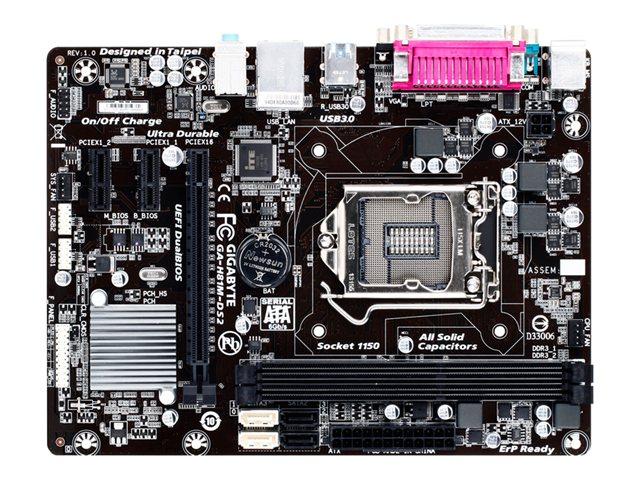
For $48.14, the GA-H81M-DS2 offers compatibility with LGA1150 CPUs, a generation newer than LGA1155. This board is suitable for users who can find good deals on Haswell or Broadwell processors and need a stable, no-frills foundation for a basic workstation or home office PC.
Last updated May 1, 2026
Strengths: LGA1150 Socket: Supports Haswell/Broadwell CPUs, which can offer a slight performance uplift over older LGA1155 chips. Micro-ATX Form Factor: Standard compact size for versatile case compatibility.
Caveats: DDR3 Memory: Limited to older DDR3 RAM, similar to the B75M-Plus. H81 Chipset: A very basic chipset with minimal features and expansion options.
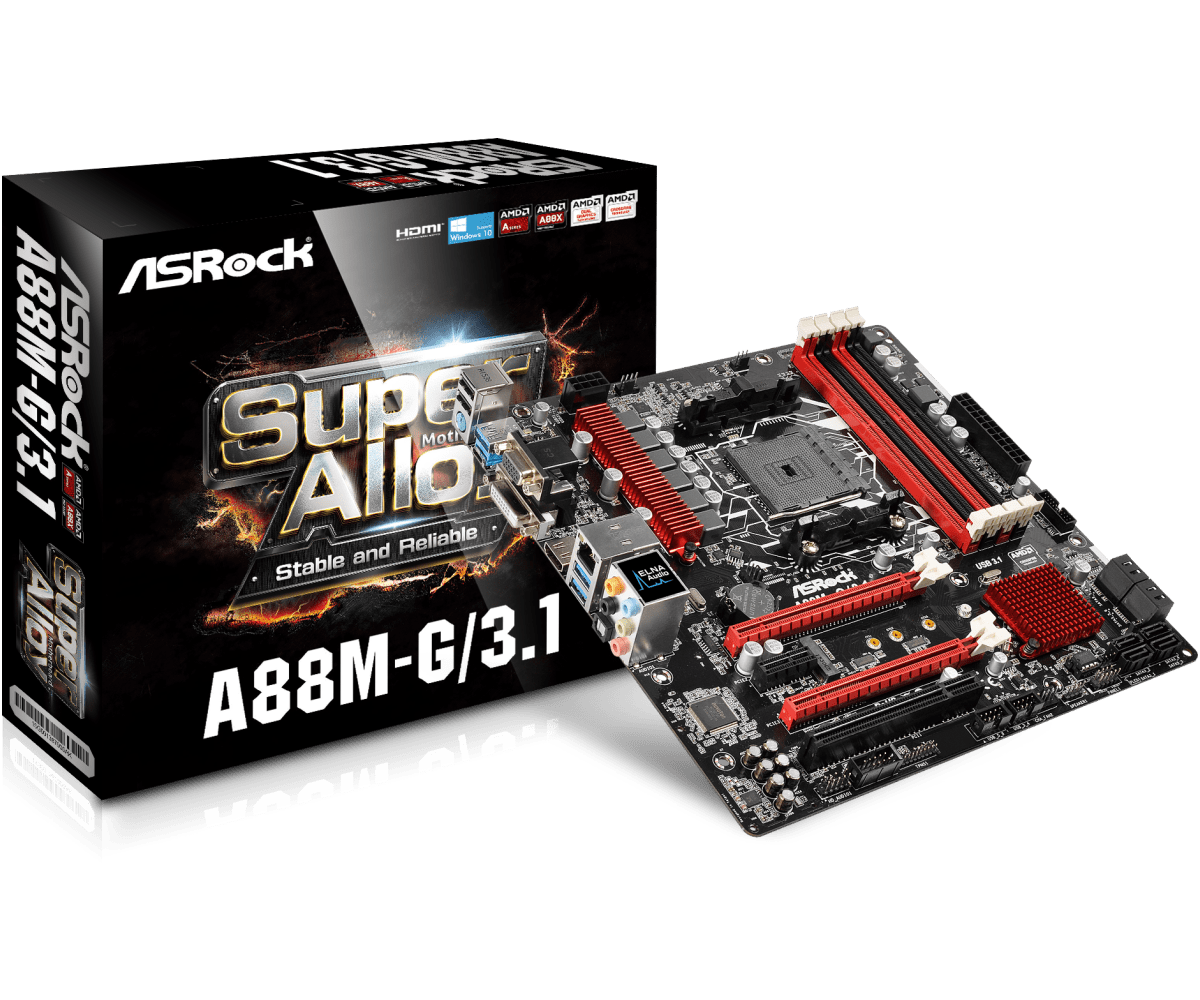
The A88M-G/3.1, at $48.89, is the sole AMD-based option in this list, featuring an FM2+ socket and AMD A88X chipset. This board is ideal for users looking to build an affordable AMD-based workstation, particularly if they plan to utilize AMD APUs for integrated graphics, suitable for tasks that don't require a dedicated GPU.
Strengths: AMD A88X Chipset: Offers a robust feature set for its generation, including RAID support and potentially more SATA ports than entry-level Intel chipsets. FM2+ Socket: Compatible with AMD APUs, which can provide decent integrated graphics performance for budget builds.
Caveats: DDR3 Memory: Uses older DDR3 RAM. FM2+ Platform: An older AMD platform with limited upgrade paths compared to more modern AMD sockets.
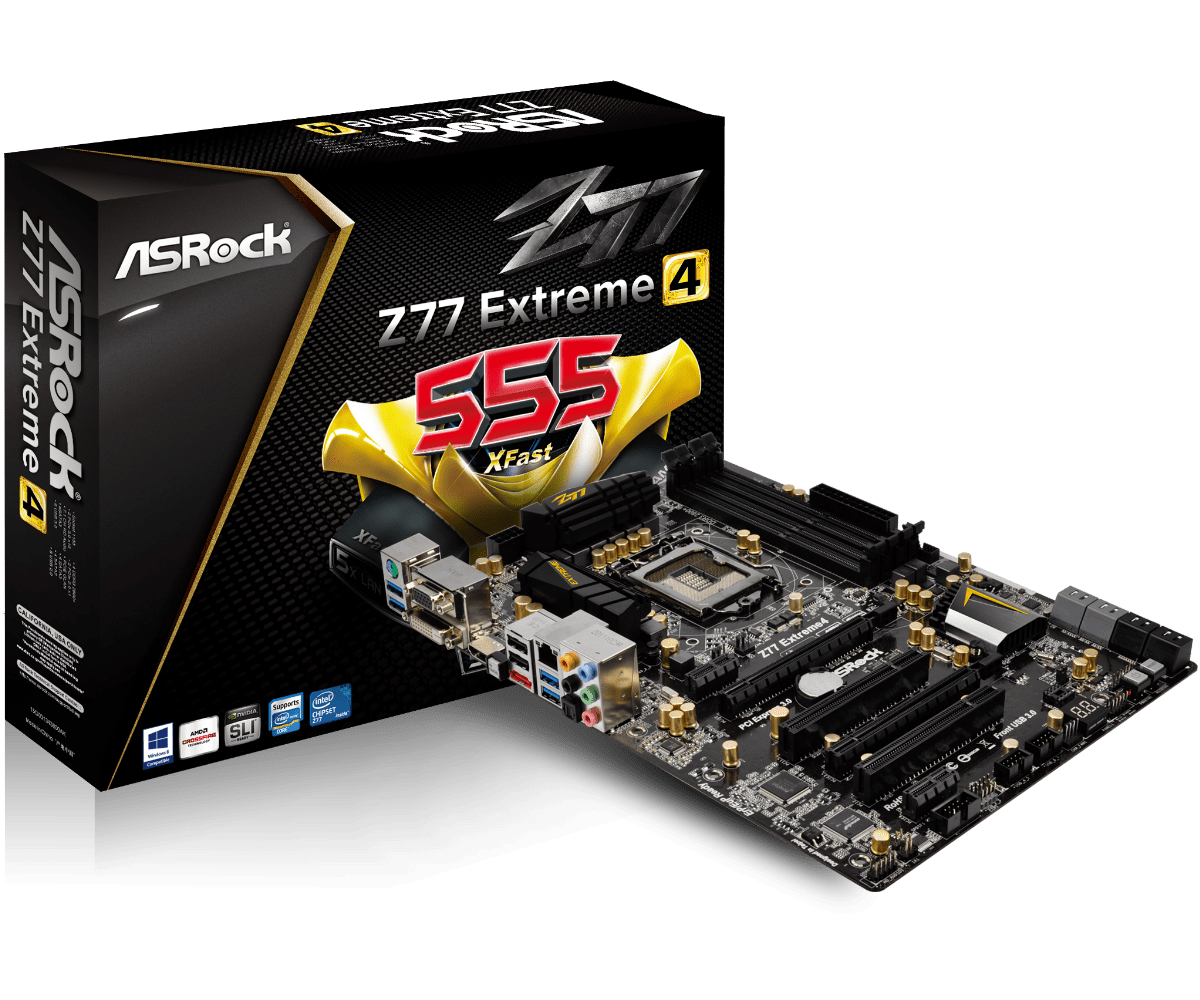
Rounding out the list at $49.99, the Z77 Extreme4 is the most feature-rich option, boasting an ATX form factor and the enthusiast-grade Z77 chipset. This board is best for users who want to extract maximum performance from older LGA1155 CPUs, including overclocking capabilities, and require more expansion slots than Micro-ATX boards typically offer. It's a strong contender for a budget workstation that might see some light gaming or more demanding tasks.
Strengths: Z77 Chipset: An enthusiast-grade chipset offering overclocking support for compatible CPUs and more advanced features. ATX Form Factor: Provides more expansion slots (PCIe, SATA) compared to Micro-ATX boards, useful for multiple add-in cards or storage drives. LGA1155 Socket:* Compatible with a wide range of affordable Sandy Bridge and Ivy Bridge Intel CPUs.
Caveats: DDR3 Memory: Limited to older DDR3 RAM, which can be a bottleneck for some applications. Highest Price: At $49.99, it's the most expensive option, though still very budget-friendly.
Decision Helper: If DDR4 is a must-have for a modern memory standard, the B360M D3H is your only choice. For the absolute lowest cost and use with existing LGA1155 parts, the B75M-Plus is unmatched. If you need more expansion and potential for overclocking with LGA1155, the Z77 Extreme4 offers the best feature set. For an AMD-based budget build, the A88M-G/3.1 is the sole option.