Smart Wizard
Get a complete build plan based on budget and goals.
Build Comparison
Compare complete builds side by side.
Part Comparison
Check specs, price, and value across parts.
Bottleneck Calculator
Measure CPU and GPU balance before you buy.
Power Calculator
Estimate wattage and PSU headroom.
Will It Run?
Test your hardware against popular games.
Theme
Mid-TierWorkstation
Mid-Tier Workstation Motherboards: 2026 Buyer's Guide
This guide focuses on mid-tier motherboards, priced around $150, suitable for workstation builds that require a balance of performance and cost-effectiveness. These boards are ideal for users who need reliable platforms for tasks like content creation, CAD, or light virtualization, without the premium features or extreme overclocking capabilities of high-end options. They offer modern connectivity and sufficient expansion for most professional applications, making them a solid foundation for a capable workstation PC.
Featured Picks
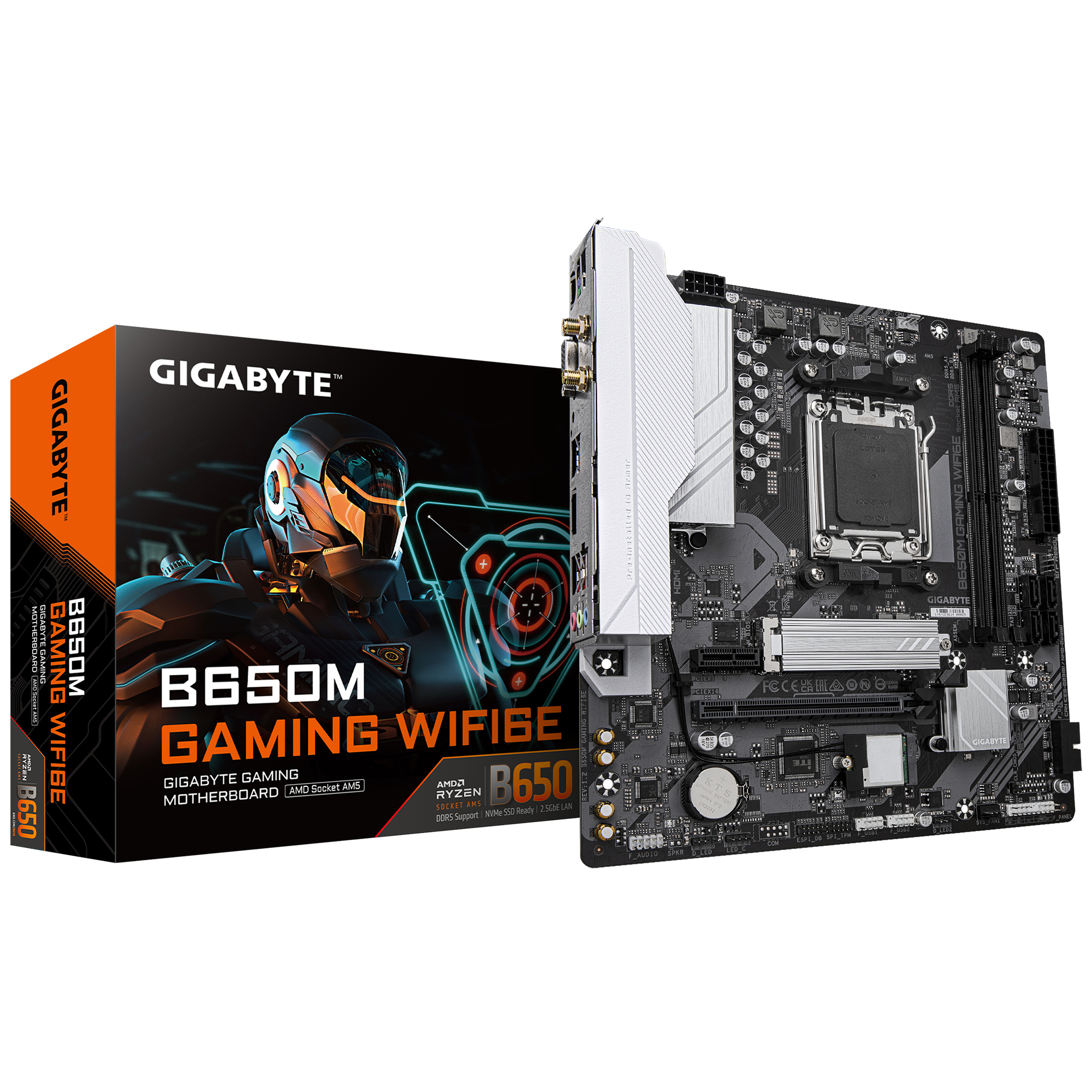
B650M GAMING WIFI6E
This Micro-ATX board is an excellent choice for compact workstation builds leveraging AMD's AM5 platform. Its B650 chipset supports current-generation Ryzen processors and DDR5 memory, offering a strong performance baseline for multi-threaded applications. The integrated WiFi 6E is a significant convenience for wireless connectivity.
- Strengths: Supports modern AM5 CPUs and DDR5, compact Micro-ATX form factor, integrated WiFi 6E.
- Caveats: Micro-ATX limits expansion slots compared to full ATX boards.
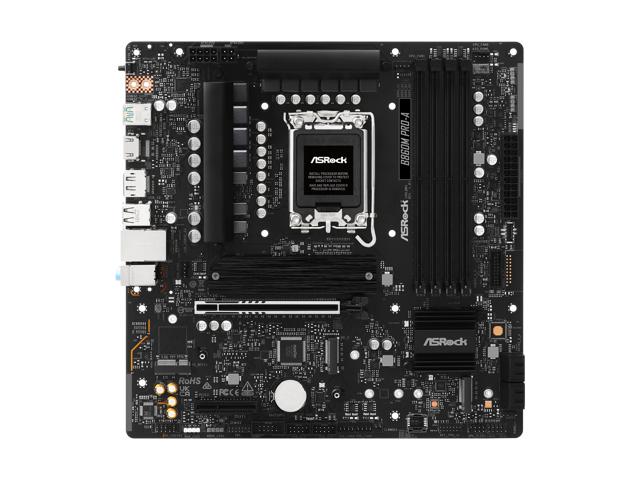
B860M Pro-A
Another Micro-ATX option, the B860M Pro-A is designed for Intel's LGA1851 socket and DDR5 memory. This makes it suitable for users planning an Intel-based workstation with a focus on space efficiency. The B860 chipset provides a solid feature set for general workstation use.
- Strengths: Supports current-gen Intel LGA1851 CPUs and DDR5, Micro-ATX form factor.
- Caveats: Lacks integrated Wi-Fi, which may require a separate expansion card.
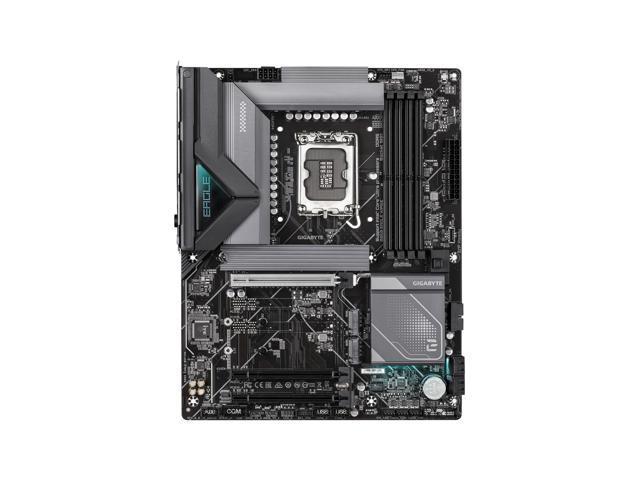
B860 EAGLE WIFI6E
For those preferring an Intel platform with more expansion, the B860 EAGLE WIFI6E offers a full ATX form factor. This board provides more PCIe slots and potentially more M.2 slots for storage expansion compared to its Micro-ATX counterparts. The integrated WiFi 6E is a welcome addition for wireless networking.
- Strengths: Full ATX for greater expansion, supports current-gen Intel LGA1851 CPUs and DDR5, integrated WiFi 6E.
- Caveats: Larger form factor may not fit all cases.
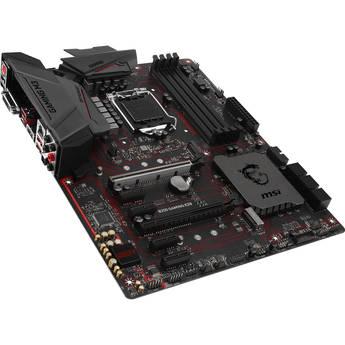
B250 GAMING M3
This ATX motherboard is based on the older LGA1151 socket and B250 chipset, supporting DDR4 memory. While it was a capable board in its time, its relevance for new workstation builds is limited due to its older platform, which restricts it to 6th and 7th generation Intel CPUs.
- Strengths: Full ATX form factor for expansion.
- Caveats: Uses an older LGA1151 socket and B250 chipset, limiting CPU upgrade paths to older generations; uses DDR4 memory, not DDR5.
Last updated May 1, 2026