Smart Wizard
Get a complete build plan based on budget and goals.
Build Comparison
Compare complete builds side by side.
Part Comparison
Check specs, price, and value across parts.
Bottleneck Calculator
Measure CPU and GPU balance before you buy.
Power Calculator
Estimate wattage and PSU headroom.
Will It Run?
Test your hardware against popular games.
Theme
High-EndGeneral Use
High-Tier RAM for General Use: 2026 Buyer's Guide
This guide focuses on high-tier 16GB RAM kits suitable for general computing tasks, light gaming, and productivity in 2026. These modules offer a balance of capacity and speed, providing a noticeable performance uplift over entry-level options without the premium cost of enthusiast-grade memory. They are ideal for users building a new system or upgrading an existing one to handle more demanding applications and multitasking efficiently.
Featured Picks
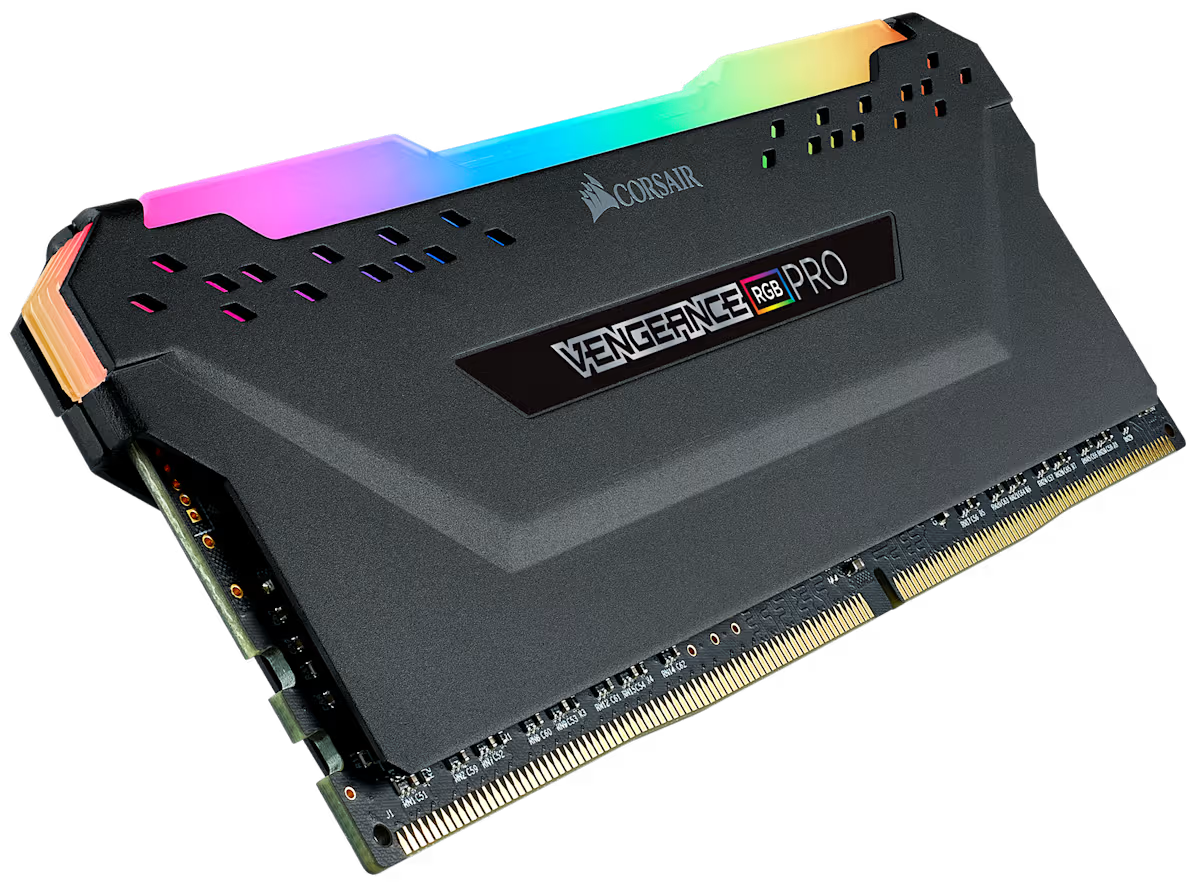
## Vengeance RGB Pro 16 GB This kit is a strong contender for users prioritizing both performance and aesthetics. Its faster 3600 MHz speed provides a slight edge in applications sensitive to memory bandwidth, such as certain games or content creation tasks. Strengths: Fastest speed at 3600 MHz among the DDR4 options, includes RGB lighting for aesthetic builds. Caveats: The RGB lighting may not be desired by all users and can contribute to a slightly higher price point at $160.99.
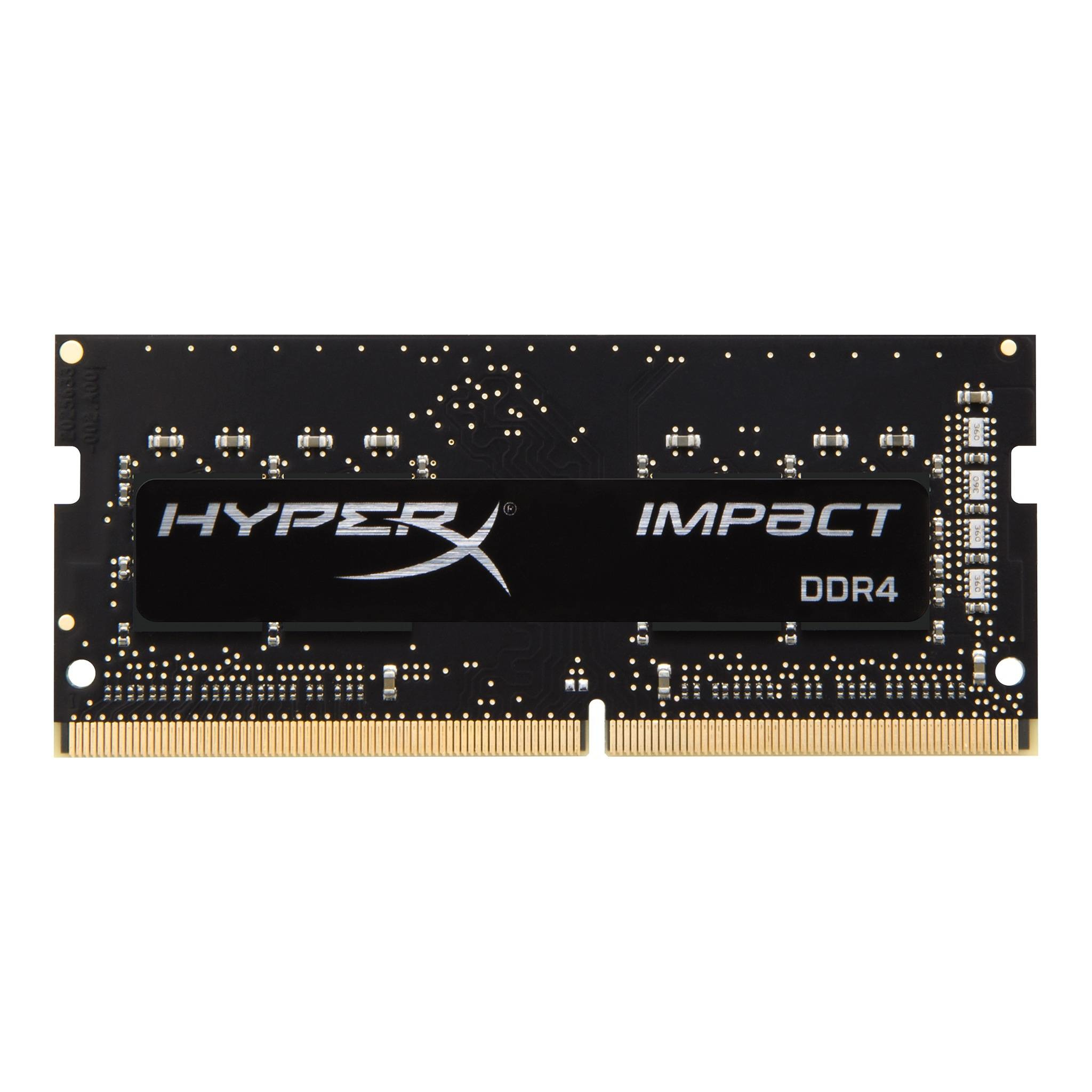
## FURY Impact 16 GB Designed for compact systems, this DDR4 3200 MHz kit offers solid performance in a smaller form factor. It's a practical choice for mini-ITX builds or laptops that support SODIMM modules. Strengths: Compact SODIMM form factor, reliable 3200 MHz DDR4 performance, competitive price at $160.13. Caveats: SODIMM is not compatible with standard desktop motherboards, limiting its use to specific small form factor or laptop systems.
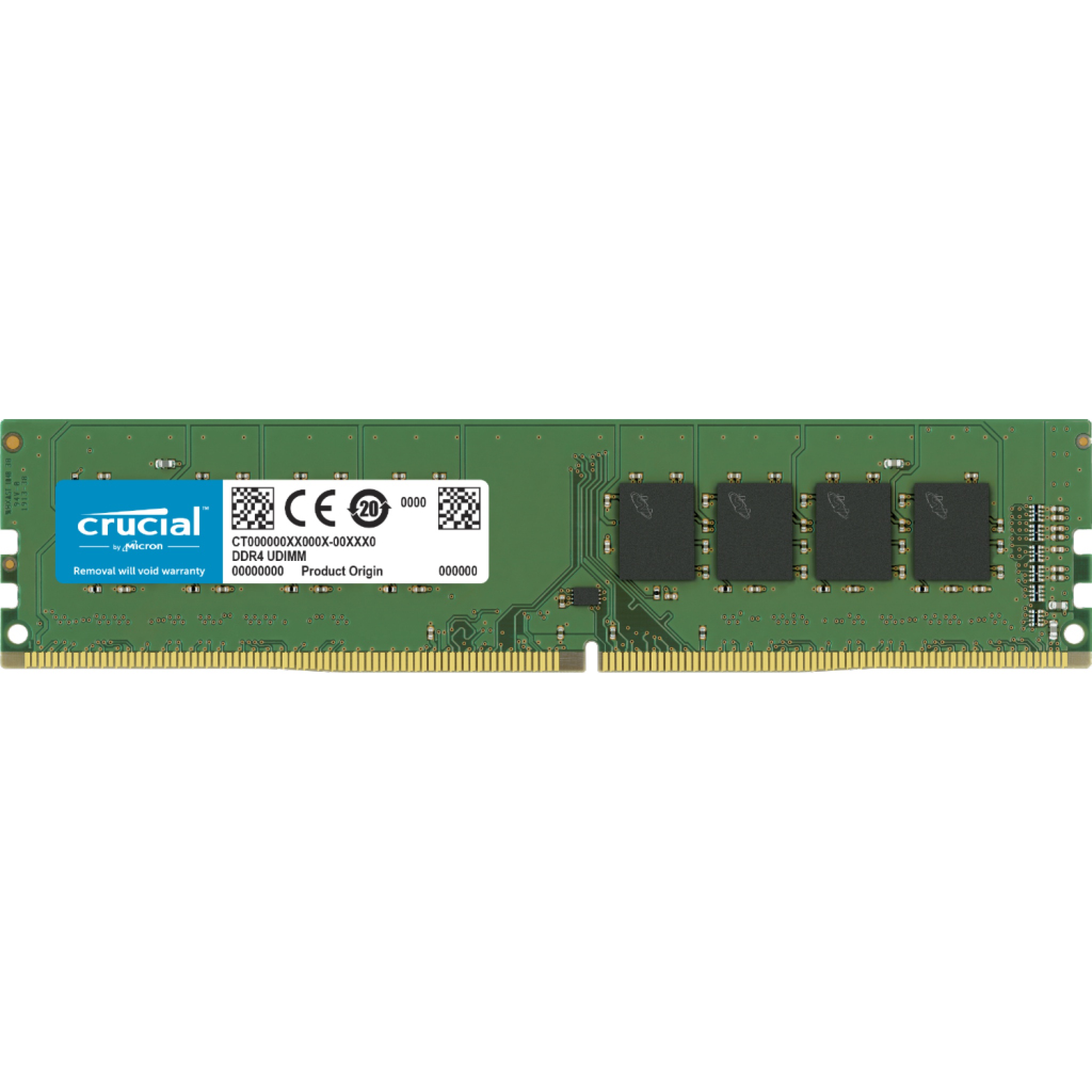
## CT16G4DFRA32A 16 GB This is a straightforward, no-frills DDR4 3200 MHz kit. It delivers standard high-tier performance without any additional features, making it a solid choice for users who prioritize function over form. Strengths: Standard 3200 MHz DDR4 performance, very competitive price at $160.24, suitable for most general-purpose desktop builds. Caveats: Lacks heat spreaders or aesthetic features found on some other modules, which might be a consideration for some builders.
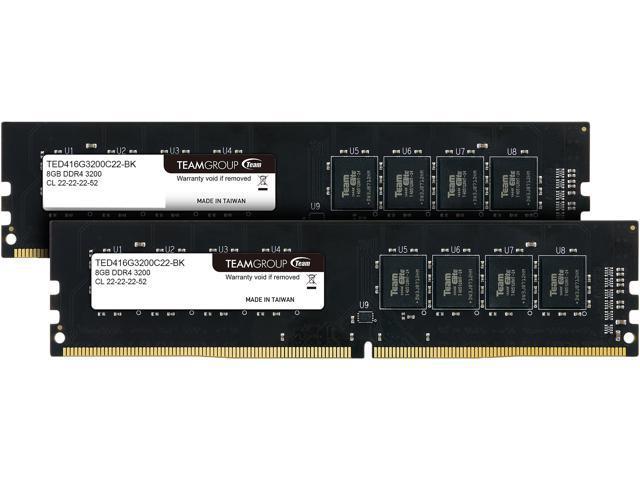
## Elite 16 GB (DDR4) Another solid 3200 MHz DDR4 option, this Elite kit offers similar performance to the CT16G4DFRA32A. It's a reliable choice for a general-purpose desktop build without any specific standout features. Strengths: Standard 3200 MHz DDR4 performance, widely compatible, priced at $160.99. Caveats: No distinguishing features compared to other 3200 MHz DDR4 options, making it a generic but functional choice.
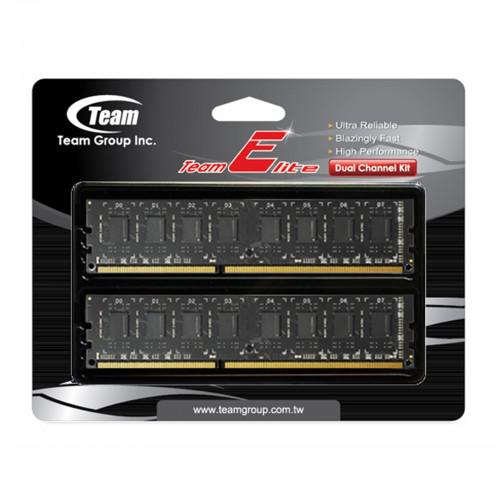
## Elite 16 GB (DDR3) This DDR3 1600 MHz kit is an outlier in this selection. While it offers 16GB capacity, its DDR3 memory type and 1600 MHz speed are significantly slower than the DDR4 options. It is only suitable for upgrading older systems. Strengths: Provides 16GB capacity for older DDR3 systems, priced at $160.99. Caveats: DDR3 technology is outdated; this RAM is not compatible with modern motherboards. Its 1600 MHz speed is considerably slower than any DDR4 option, offering lower performance.
For most users building a new system or upgrading a modern PC, the offers the best performance with its 3600 MHz speed, while the or are excellent value choices for standard 3200 MHz DDR4. The is specific to compact systems, and the should only be considered for legacy DDR3 platforms.
Last updated May 1, 2026