Smart Wizard
Get a complete build plan based on budget and goals.
Build Comparison
Compare complete builds side by side.
Part Comparison
Check specs, price, and value across parts.
Bottleneck Calculator
Measure CPU and GPU balance before you buy.
Power Calculator
Estimate wattage and PSU headroom.
Will It Run?
Test your hardware against popular games.
Theme
Mid-TierGaming
Best Mid-Tier WiFi Cards for Gaming 2026
This guide focuses on mid-tier WiFi cards, priced around $30-$35, suitable for gamers who need reliable wireless connectivity without breaking the bank. These options generally offer a step up from basic integrated solutions, providing improved speeds and stability for online gaming where a wired connection isn't feasible. They are best suited for users with moderate internet speeds and those who prioritize value.
Featured Picks

Archer T3U
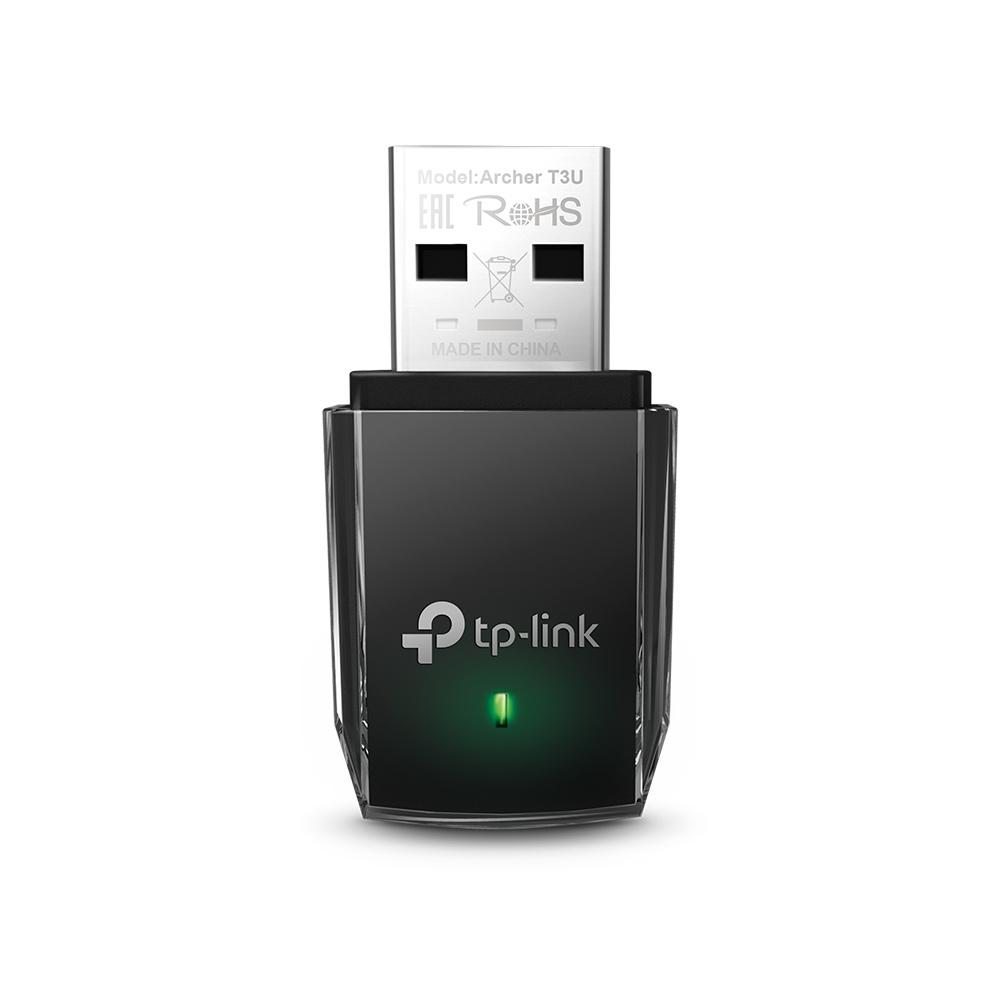
The Archer T3U, priced at $31.75, is a compact USB adapter that offers a convenient solution for upgrading an older system's Wi-Fi. Its small form factor makes it suitable for laptops or desktops where internal card installation is not desired or possible.
Strengths: Highly portable and easy to install via USB. Affordable entry point for improved Wi-Fi.
Caveats: USB adapters can sometimes experience more interference or slightly higher latency compared to internal PCIe cards. Specific performance metrics (Wi-Fi standard, speeds) are not provided, making a direct comparison difficult.
USB300WN2X2C
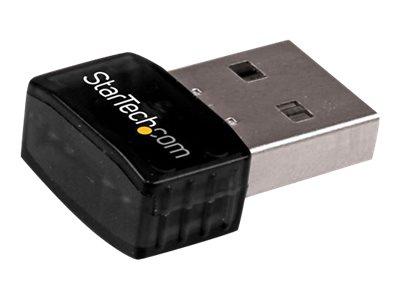
At $32.38, the USB300WN2X2C is another USB-based option. Without specific detailed specifications, it's difficult to ascertain its exact performance capabilities for gaming, but its price point places it firmly in the mid-tier.
Strengths: Simple plug-and-play installation for most systems. Cost-effective solution for basic wireless connectivity.
Caveats: Lack of detailed specifications makes it hard to recommend for specific gaming scenarios. As a USB device, it may not offer the same consistent performance as a PCIe card.
Archer TX55E
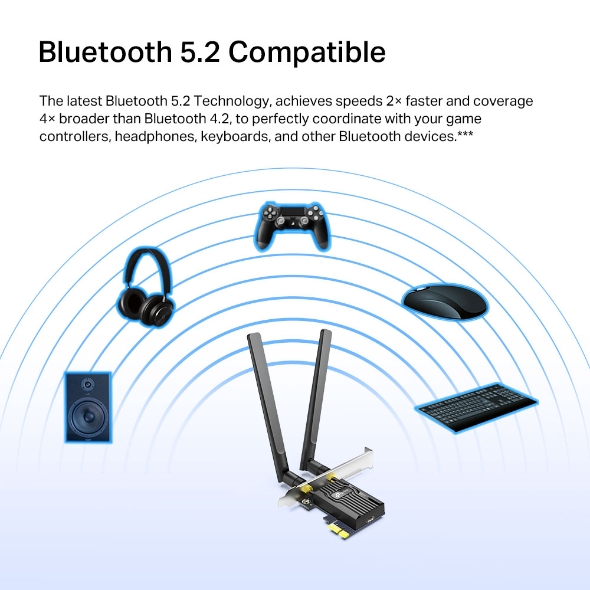
The Archer TX55E, available for $32.99, is likely a PCIe-based card, which generally offers superior stability and performance for gaming compared to USB adapters. This form factor is preferred for desktop users seeking a dedicated, internal Wi-Fi solution.
Strengths: PCIe interface typically provides more stable and lower-latency connections. Internal installation keeps USB ports free and offers a cleaner setup.
Caveats: Requires an available PCIe slot inside the PC, not suitable for all systems (e.g., laptops). Installation involves opening the PC case.
EW-7811UTC
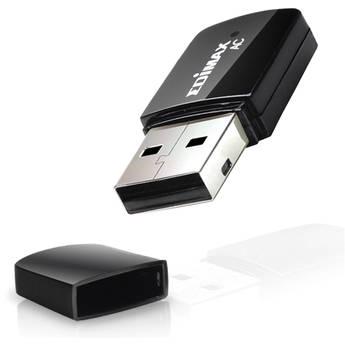
The EW-7811UTC, priced at $32.99, is another USB Wi-Fi adapter. Its mid-tier price suggests it offers a balance of performance and cost, likely supporting common Wi-Fi standards suitable for general use and casual gaming.
Last updated May 1, 2026